The Importance of System Integration in Businesses
In today’s day and age, when companies want to stay ahead of the game they need their systems to work synchronously. Organizations that don't have system integration in place see significant increases in cost and resource consumption.
What is System Integration?
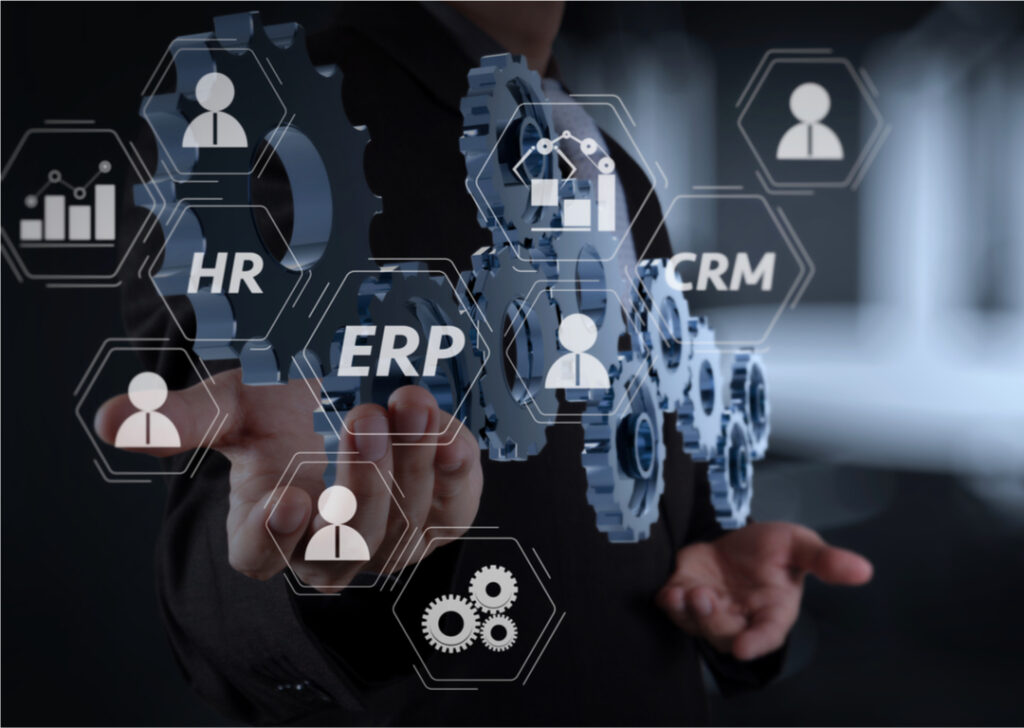
System integration is the method of connecting different sub-systems into one larger system that functions as a single source. In regard to software solutions, system integration is commonly defined as the process of associating various IT systems, services and/or software to enable them to function seamlessly together. System integrations are typically done one of four ways; Horizontal Integration, Vertical Integration, Star Integration and Common Data Integration.
The main reason for businesses to use system integration is the growing need to improve productivity and quality of day-to-day operations. The goal is to get organization and business IT systems to communicate with each other through integration. This accelerates information outflow and reduces operational costs. System integration is not only used to connect an organization’s internal systems, but to also integrate third parties that organizations operates with.
System Integration Methods
Horizontal Integration
In Horizontal Integration, a separate sub-system is used as an interface layer between other sub-systems. This layer is often referred to as an Enterprise Service Bus. This technique allows each sub-system to have a single interface to communicate with. One benefit of using Horizontal Integration is each sub-system can be changed or replaced without having to revise other systems.
Vertical Integration
Vertical Integration is a method where system components are integrated by creating 'depositories', starting with the most basic function to the most complex. Normally, this method is simple and only involves a limited number of systems. However, a hindrance of this integration is it may be more difficult to manage in the long run as any new functionality will require its own 'depository'.
Star Integration
Star Integration is when a systems sub-systems are connected with other sub-systems using point-to-point connections. Above all, this allows for better functionality. A major drawback of this integration is as systems increase, the number of integrations increase as well. This leads to difficulty managing the integrations.
Common Data Integration
Common Data Integration helps systems avoid having the adapter convert to and from each application format. Systems using this technique set a common or application-independent format, or they provide a service that does the transformation to or from one application into to the common application.
Why is it Important?
A system integrator is an independent entity that uses technical and project management activities to integrate commercially available software. Using a variety of programs that do not integrate with each other can make it impossible for employees/admins to work effectively or for the organization to achieve its goals. Having your data in one central location will also reduce costs and storage compared to having multiple systems simultaneously. Businesses often struggle when the task of managing their data is not aligned. If your systems and processes are not working together, it can be very tedious and time-consuming to manage everything individually. Most importantly, by integrating, you reap the benefits of efficiency and effectiveness, whilst reducing the disruption caused by having data from multiple sources. This naturally leads to better analysis of data.
The Disadvantages of Not Using System Integration
- Reduced Employee Productivity — If employees are to be productive they mustn’t be bogged down with unnecessary admin. When staff have to manage multiple tasks such as order processing and invoicing via separate systems, the tasks take longer to complete and the risk of errors is increased.
- Lack of real-time information — In addition to being labor-intensive, transferring data between systems causes data to be out of sync. Overlapping databases prevent business owners from having an accurate view of business performance. Critical decisions are therefore made slowly, if at all.
- Constant upgrades and excess cost — Maintaining multiple systems is expensive and requires substantial IT resources. Once a system is upgraded more changes will need to be made to other systems so that they can still work together.
For a list of services Biz-Tech Services can integrate for you, check out our Acumatica and Sage100 pages. If you can’t see your favorite service, our skilled programmers will find a solution. To speak with one of our experts please call us at +1 818-484-5004 or email us at sales@biz-techservices.com.